

A Mobile Crisis Unit could be coming to Moose Jaw as police explore new ways to respond to social disorder and mental health-related calls.
At Wednesday's Board of Police Commissioners meeting, Dana Wilkins, executive director of Regina's Mobile Crisis Services (MCS), outlined how the program operates and how a similar model could benefit Moose Jaw.
Founded on June 27, 1973, Mobile Crisis Services has provided around-the-clock crisis intervention in Regina for more than 50 years.
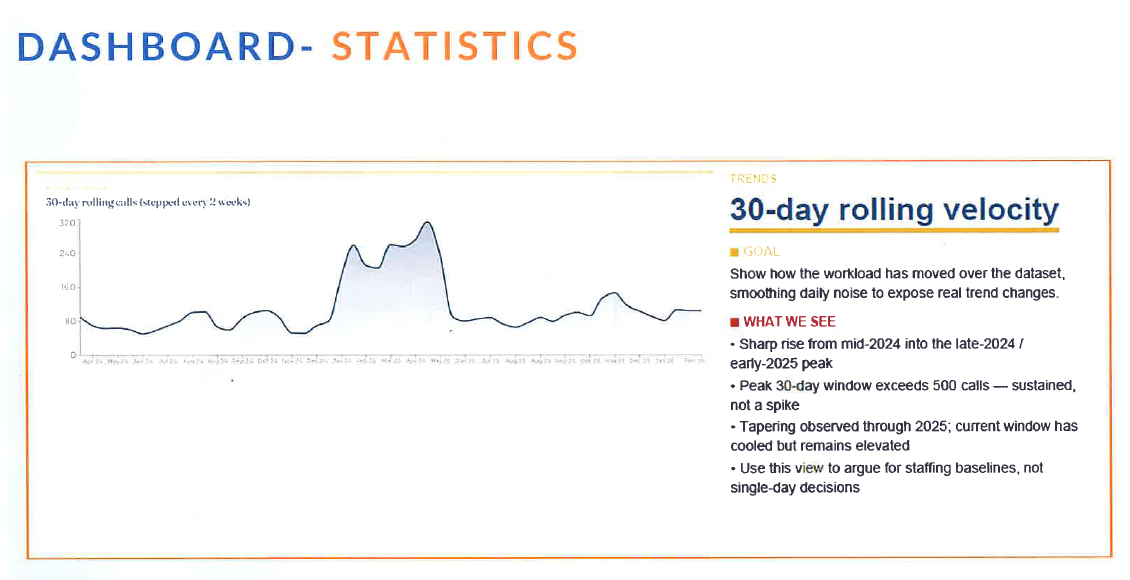
Moose Jaw Police Service Deputy Chief Rick Johns said data collected by the police service shows there is a growing need for additional community-based supports.
"The data that has been collected has been very eye-opening with respect to how many officer hours and how many calls for service we are focusing on those social disorder issues," said Johns.
"If there's an ability for some support by entering into a working relationship with an entity that has been tried, tested, and true for the last half century out of Regina, it's definitely worth a look and conversation."
Thousands of social disorder calls
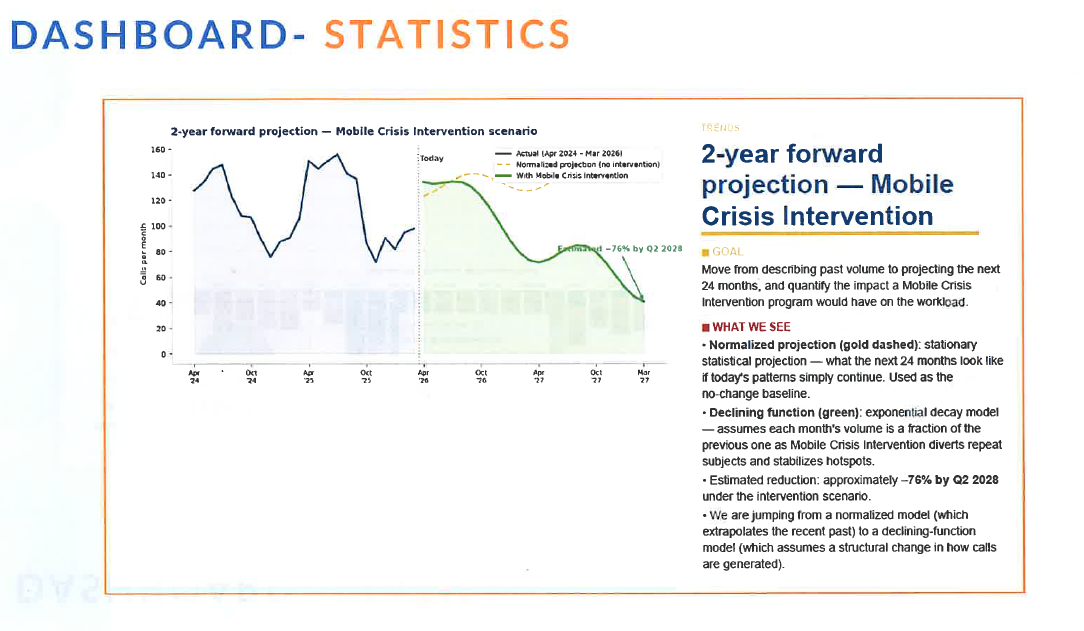
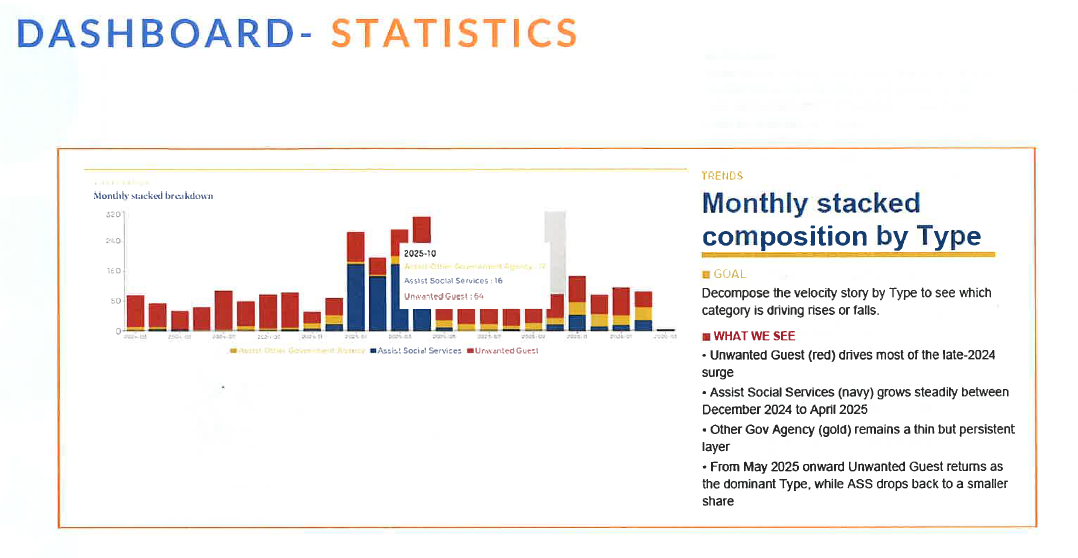
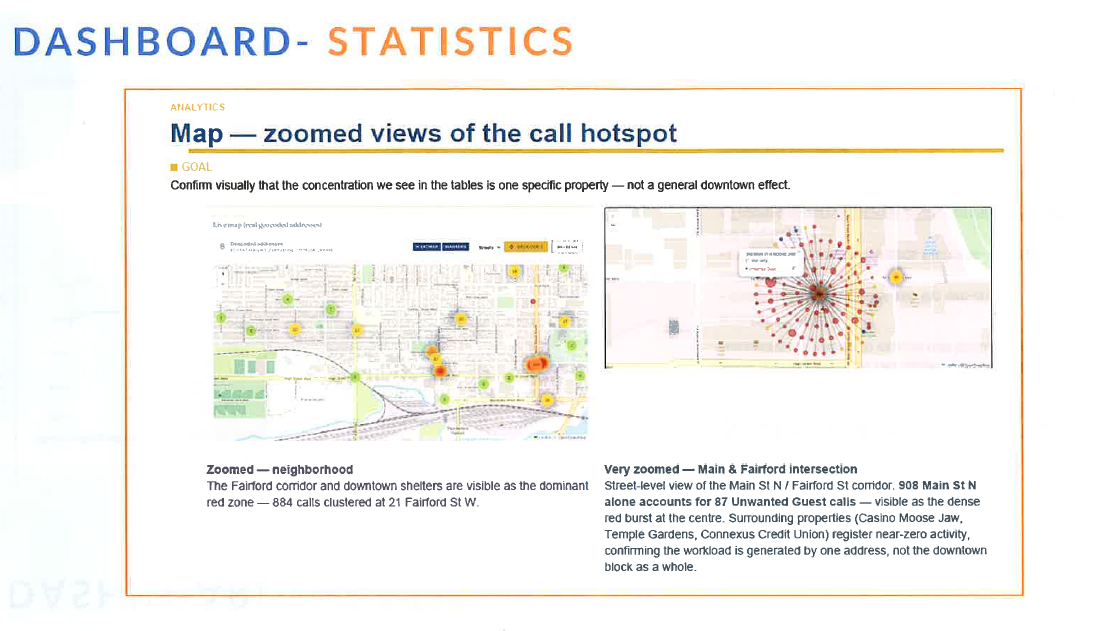
Using Moose Jaw Police Service call data from April 2024 through March 2026, Wilkins demonstrated the demand officers face responding to non-criminal calls.
During that period, police responded to:
- 2,850 homeless and transient calls;
- 1,476 unwanted guest calls;
- 837 assist social services calls; and
- 347 assist other government agency calls.
Johns said the information highlights an opportunity to provide another layer of community support.
"Using that information, we're looking at what is the possibility that we could provide an additional layer of assistance in the community to address those matters."
Wilkins said a Mobile Crisis Unit could help reduce non-criminal police calls, repeat crisis contacts and non-emergency emergency room visits, while improving co-ordination between community agencies and public safety outcomes.
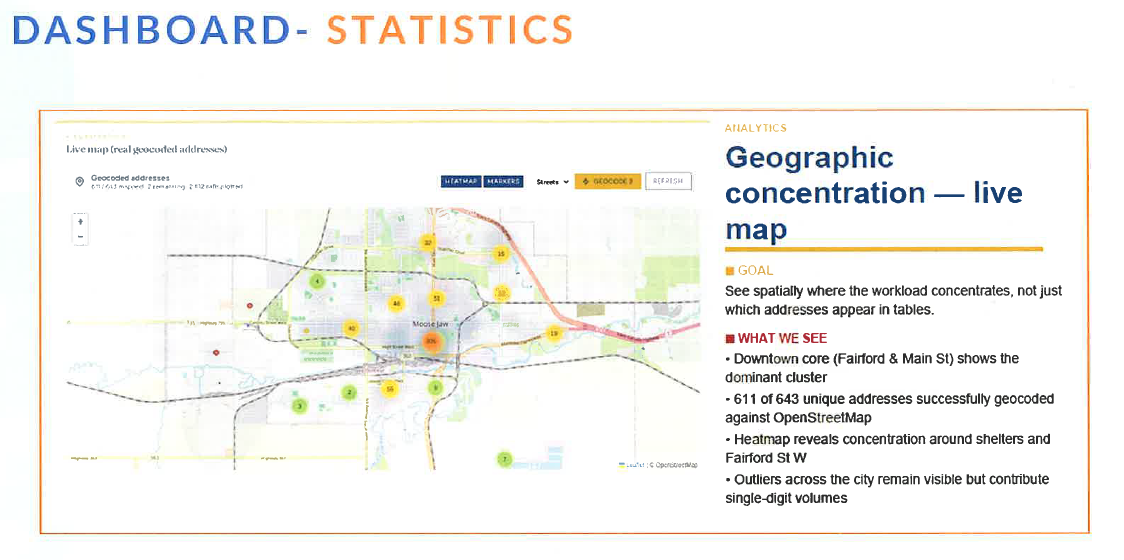 Photo credit: Mobile Crisis Services
Different approach to crisis response
Police Chief Robert Davis asked whether Mobile Crisis workers experience the same type of aggression police officers often encounter while responding to calls.
Wilkins said the organization's staff are sometimes viewed differently because they are not wearing police uniforms.
"I think at times we are treated a little bit differently because we're not in uniform."
He explained that staff receive extensive training in areas such as de-escalation, situational awareness and crisis intervention before responding to calls.
"What we are finding is that we're going to have to do some more work on giving staff the tools to de-escalate situations in a more sort of acute, quick way than we ever did before."
Wilkins added that Regina police often transfer appropriate calls to Mobile Crisis Services, allowing staff to assess situations and determine whether police, EMS or other agencies are needed.
"There is some level of safety there, that the police have some oversight on our officers when they're out doing their work."
Related Stories:
- Police receive approval for $380K in server upgrades
- Chief Davis says downtown safety remains priority as police data highlights rising calls
- Moose Jaw man recognized for heroic actions during house fire rescue
- 'It's just about relationship building': Moose Jaw's Police and Crisis Team helps individuals struggling with mental illness
- ▶️ Stream this news story: 800 CHAB, Country 100, Mix 103
Funding and next steps
Commissioner Patrick Boyle asked what it would cost to establish Mobile Crisis Services in Moose Jaw.
Wilkins said the organization currently receives provincial funding through contracts with ministries including Social Services, Health and Justice. However, a community outreach program in Moose Jaw would require municipal funding or another funding source.
"It depends on what level of service and what hours you want the service to occur."
Wilkins estimated that providing 24-hour service, seven days a week, would require approximately 10 staff members in Moose Jaw.
He also explained that the program would complement, rather than replace, the Moose Jaw Police Service's Police and Crisis Team (PACT).
In Regina, Mobile Crisis responds to many mental health-related calls outside PACT's operating hours. Moose Jaw's PACT consists of one police officer and one Saskatchewan Health Authority mental health professional.
The next step will see the Moose Jaw Police Service and Mobile Crisis Services jointly prepare a proposal, including projected costs, for consideration by Moose Jaw city council.
If approved, the program would be introduced over approximately one year in three phases:
Phase 1: Planning and development
- Stakeholder engagement;
- Operational planning;
- Staff recruitment;
- Training development; and
- Governance and protocols.
Phase 2: Pilot implementation
- Initial pilot program;
- One mobile response team;
- Staff recruitment;
- Coverage during peak demand hours; and
- Focus on downtown and high-call areas.
Phase 3: Expanded operations
- Increased operational hours;
- Expanded outreach coverage; and
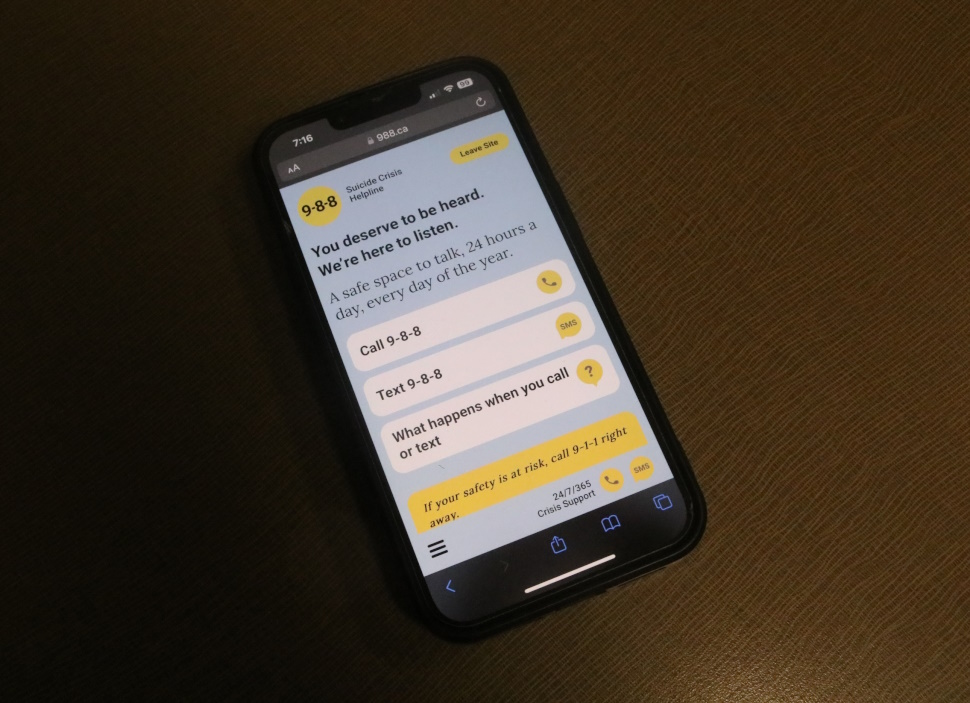
- Enhanced co-ordination with 988 and the health-care system.
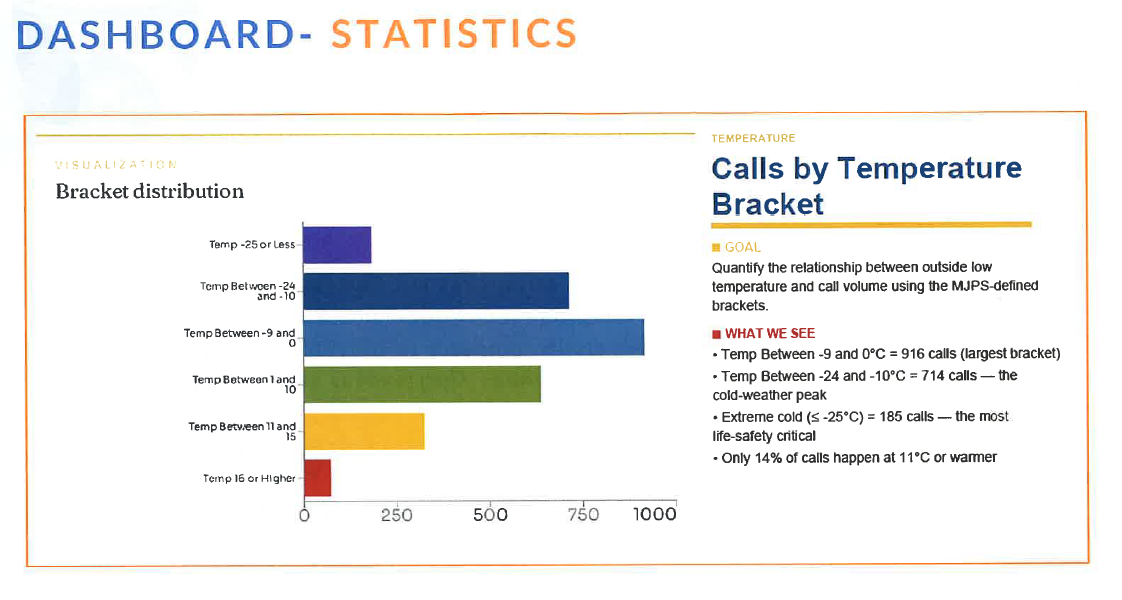
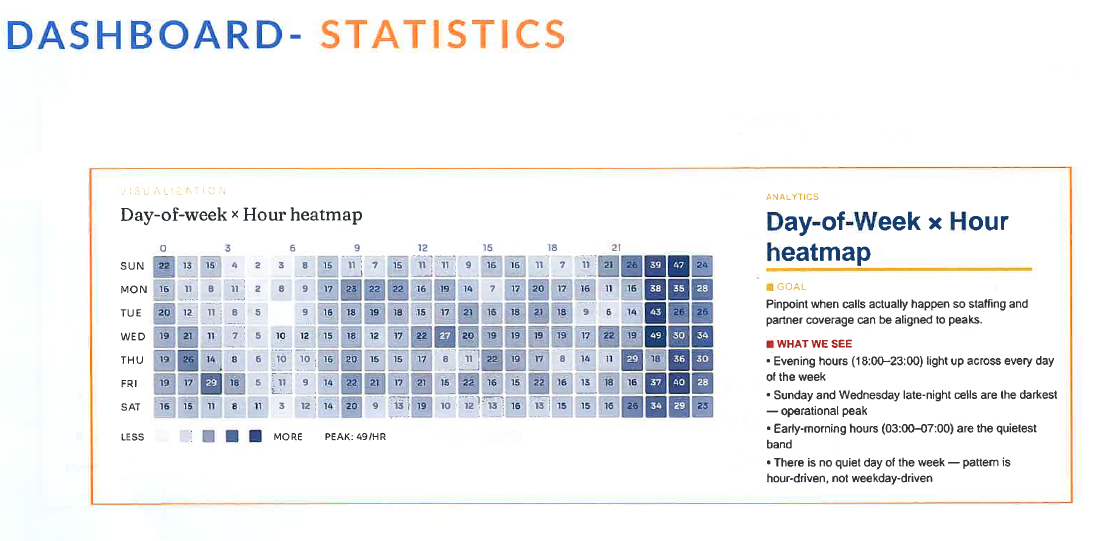
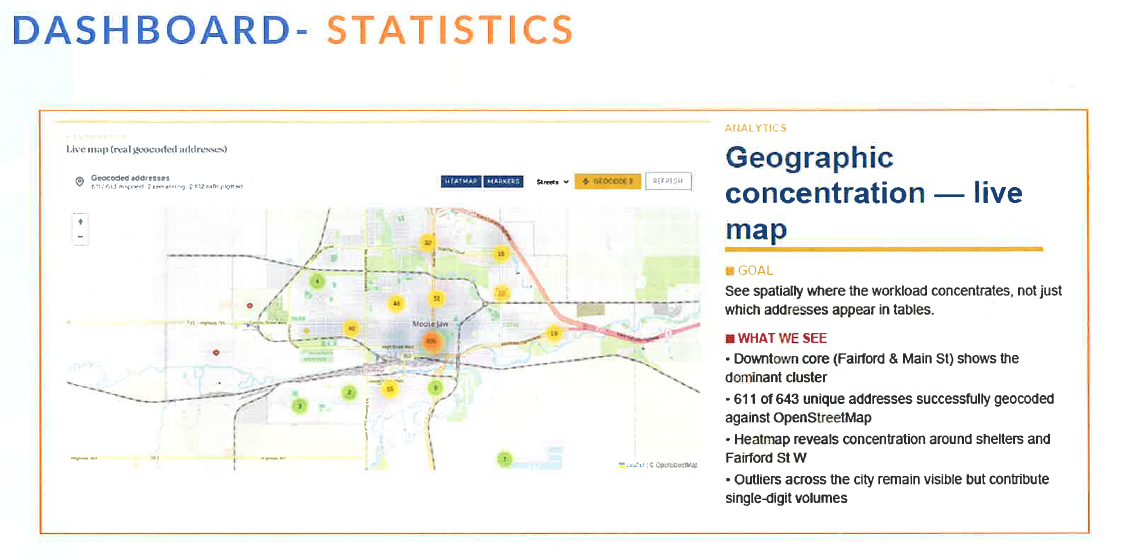
More data that was presented can be found below: (All photos courtesy of Mobile Crisis Service/Moose Jaw Police Service)













 Fri, Jul 17, 9:00 AM


 Full-time, Permanent, Skilled Trades
 Featured