

The Saskatchewan Health Authority (SHA) is reminding residents to take precautions against hantavirus this spring, in a public service announcement issued Tuesday
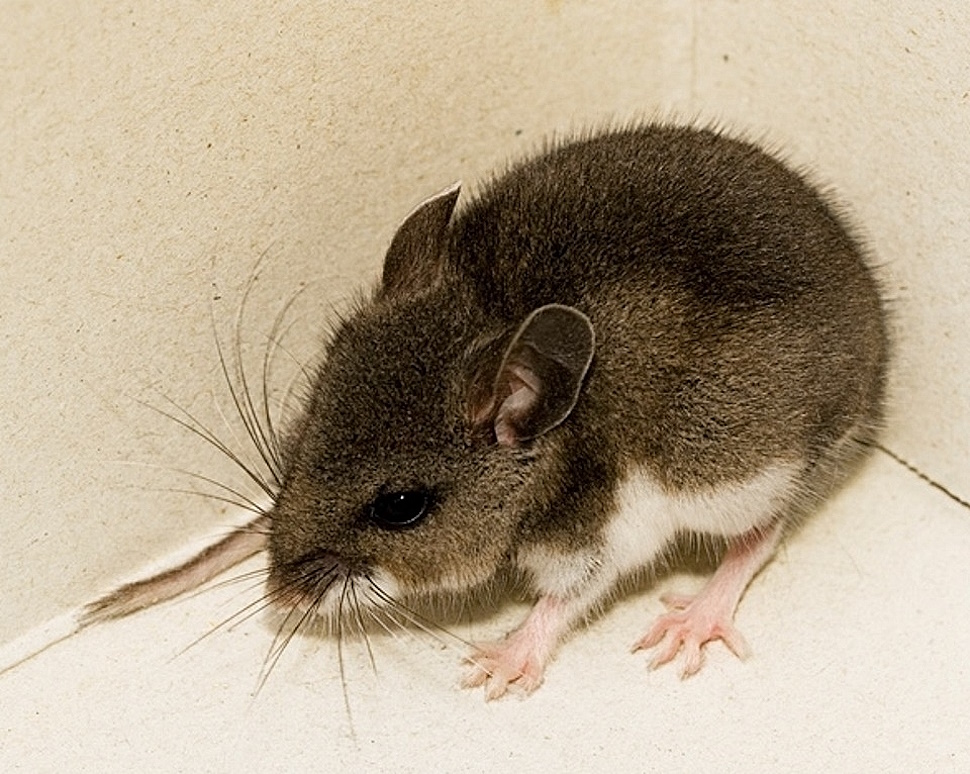
Hantavirus is an infection caused by breathing in contaminated airborne particles from the droppings, urine, or saliva of infected deer mice. This can cause a rare but fatal lung disease known as hantavirus pulmonary syndrome.
Between 1994 and 2025, 38 cases of hantavirus pulmonary syndrome were reported in Saskatchewan, including 12 fatal cases.
Preventing hantavirus during cleanup
SHA Medical Health Officer Dr. Stanley Enebli says deer mice can be found throughout the province, and the risk of infection is highest when cleaning enclosed or unused spaces where mice may have nested.
“Because the virus is airborne, it is important to always wear protective gear, including gloves, goggles, and a well‑fitting N95 mask. Moisten droppings and contaminated areas with a bleach and water disinfectant solution before wiping or mopping. Taking these steps can significantly reduce the risk of illness from rodent contamination.”
Anyone who comes in contact with mouse droppings can be exposed to hantavirus. Symptoms typically appear within one to six weeks of exposure and include fever, muscle aches, cough, headache, nausea, and vomiting. Symptoms can become life-threatening. Anyone who experiences a cough, fever, and shortness of breath is advised to seek medical attention immediately.
Farmers, grain handlers, cottagers, and homeowners are the most likely to be exposed to hantavirus. The SHA recommends avoiding activities that create dust, minimizing direct contact, and not breathing in potentially contaminated air when cleaning rodent-infested areas.
When cleaning an outdoor building where evidence of rodent infestation is found, the SHA advises ventilating the building for at least thirty minutes before cleaning, avoiding dry cleaning methods like dusting or vacuuming, using wet mopping methods, and using personal protective equipment like a mask, goggles, and rubber or plastic gloves.
Areas contaminated with rodent droppings should be dampened with a 9:1 water-to-bleach solution or household cleaner and wiped with a damp mop or cloth. Upholstered furniture should be steam cleaned, shampooed, or sprayed with detergent or disinfectant, and exposed clothes and bedding should be washed with detergent in hot water.
Preventing rodent infestations
The presence of rodents can be minimized throughout the year to prevent infestation and in turn, the risk of hantavirus.
This can be done through reducing the availability of food sources or nesting materials, sealing potential gaps to prevent rodents from entering buildings, storing human and animal food, water, and waste in pest-resistant containers, and moving potential hiding places for mice away from the home.














 Sun, May 3, 10:00 AM


 Full-time, Hourly, Permanent, Labour
 Featured