

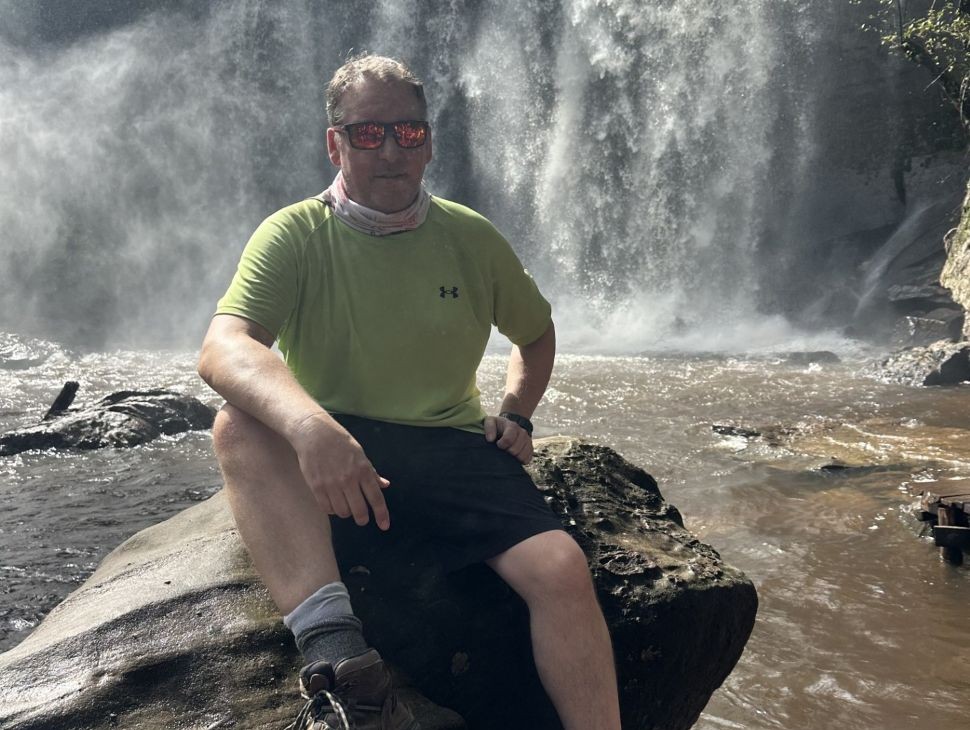
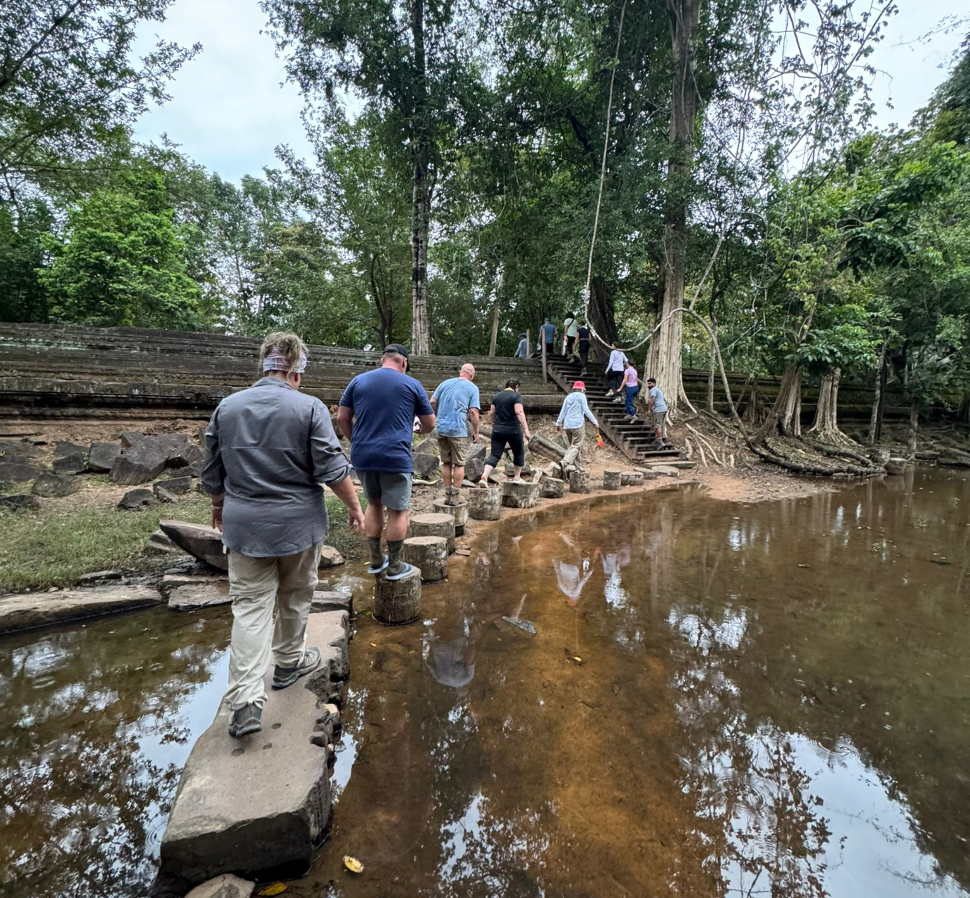
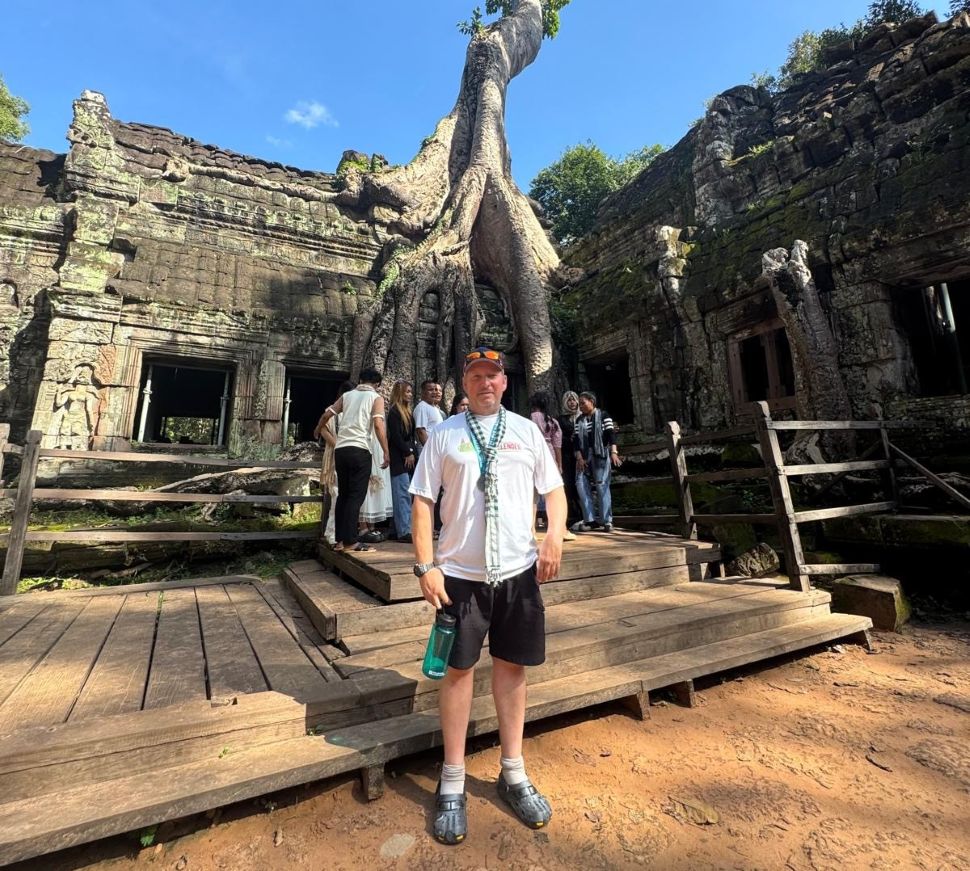
Moose Jaw’s Gayland Panko returned from a 100-kilometre fundraising trek through Cambodia last month as part of the Royal LePage Shelter Foundation’s national effort to support women’s and children’s shelters across Canada.
The trek, held from Oct. 28 to Nov. 3, brought together realtors from across the country, each committing to raise a minimum of $6,000 for a shelter of their choice. Panko said the group has collectively raised over $1.6 million from the Cambodia trek alone.
Panko selected the Moose Jaw Transition House as his beneficiary and has raised more than $10,000 so far, with donations still being accepted. He noted that 80 per cent of all funds go to the chosen shelter, while the remaining 20 per cent is directed toward national programs aimed at preventing domestic violence.
In addition to the trek, Panko donates to the Transition House throughout the year.
“Every single house I help someone buy or sell, I donate $100 to the Shelter Foundation, 100 per cent of which goes to the Transition House,” he said, adding that those contributions typically total between $7,000 and $9,000 per year.
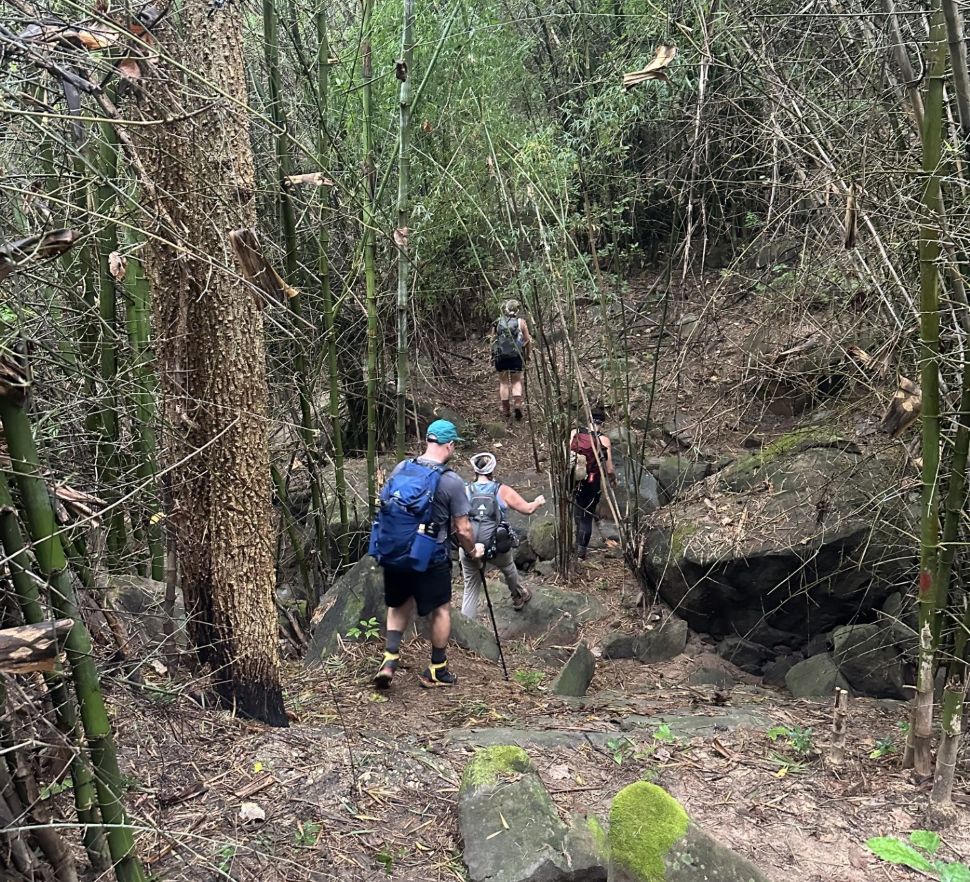
Panko said that while the physical challenges during the trek were significant — heat, humidity, blisters and daily distances of more than 20 kilometres — the most memorable moments came during rest breaks.
“At the end of every lunch, the head of the Shelter Foundation would gather us up and we would take turns reading a letter… from someone who’s suffered domestic violence,” he said. “That was really emotional to hear directly from someone who’s used and benefited from the shelter program.”
He said there was “no such thing as an easy day,” with participants covering dozens of kilometres and completing a difficult mountain climb. By the end of each day, he said many hikers had their feet wrapped “like a mummy” to manage blisters from the heat and humidity.
A sudden case of shingles almost forced Panko to cancel the trip, but he tested his limits through training hikes and ultimately decided he could participate.
During the trek, he was surprised to find his symptoms improve.
“Despite 100 per cent humidity and 30-degree heat, the shingles didn’t bother me,” he said. “On the airplane home, all of a sudden I’m in pain again.”
The journey may have been challenging, but the cause makes it worth it, as Panko said he’s eager to take part in another trek.
“I’ll definitely go on another one, wherever in the world it might be,” he said.














 Mon, Dec 1, 10:30 AM


 Full-time, Permanent, Salary, Administrative, Human Resources, Professionals
 Featured